
October 12, 2026
The Hidden Architecture of Enterprise Data Agents
A ten-word question about Formula 1 hides five ways an AI agent can quietly go wrong. None of them are the model’s…
October 8, 2026
What's New in Alation Lineage: The Graph That Keeps Up
One missing source can sink trust in a whole lineage graph. Here's how we're closing the gaps, from spreadsheets to…

October 6, 2026
What Is an AI Agent Harness? Components, Architecture, and Governance
An AI agent harness provides the execution, memory, and safety loops that turn model reasoning into enterprise action.…

October 5, 2026
What Should a New CDO Fix First? Advice from the Data Chief Behind Zelle
Early Warning CDO Cara Tice, who leads data for the company behind Zelle, says a new CDO should fix one data quality problem first. Here's her playbook.
October 1, 2026
Going Far Together: How Data Teams Own the Ground Truth in the AI Era
Discover key takeaways from Alation CEO Satyen Sangani’s revAlation 2026 keynote on AI trust, why BI and governance teams are merging, and data context.

September 29, 2026
Data Sovereignty: The Complete Guide for Enterprise Data Leaders
Discover what data sovereignty means beyond storage location. Learn residency vs. localization differences, CLOUD Act/GDPR risks, and 12 key vendor questions.
September 28, 2026
Who Authorized Your AI Agent? A Chain of Command for Autonomous Actions
Most teams can say which agent acted. Few can name the human who authorized it. Why delegated authority, expiring…
September 25, 2026
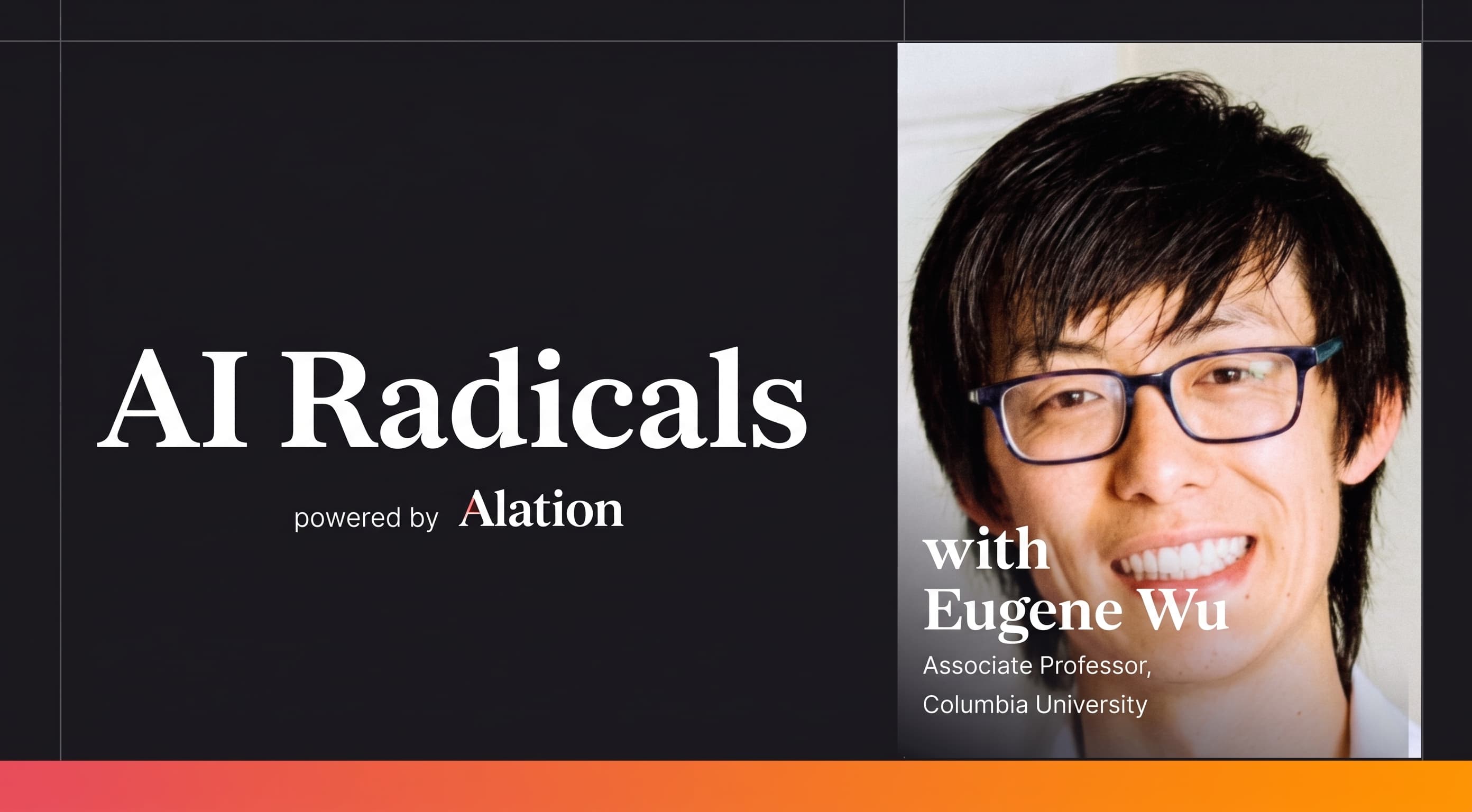
Where Should AI Agent Guardrails Be Enforced? Lessons from Columbia's DAPLab
Agents are acting, not just answering, and most guardrails are still text files. Columbia's Eugene Wu on moving rules…

September 23, 2026
Automated Data Quality: What to Automate, What to Keep Human
Automated data quality scales rule execution and detection. Here's what it can automate, what still needs a human, and how to prioritize coverage.